
Flexible EV Charging System fits your need
Near-Future Service Design (3-5 Year Horizon)
Cornell MPSIS Program, Team Member: Zhiqi Chen, Kuangming Qin, Adelyn Yu, Robert Youn
EVOlution addresses charging bottlenecks via a soft infrastructure update rather than costly grid overhaul. Feasible within a 3-5 year window, the system optimizes existing power limits to charge four cars simultaneously, dynamically prioritizing speed or flexibility to minimize wait times.
EV Owner's Voice
Long Queue Issues:
“Charging stations are often in a long queue”
Penalty Fee Frustrations:
“I hate moving my car to avoid penalty fee when I’m watching movie”
Trip Planning Challenges:
“I don’t wanna charger’s availability affect my trip plan”
What they need
Counts:
Adding more charging stations
Adaptation:
Let the charging adapt users' schedule
Plan Ahead:
Reserve a stop in advance
User interviews revealed major EV charging challenges: difficulty finding chargers, schedules dictated by charging timelines , penalty risks during activities. These barriers shape the urgent, moderate, and slow charging scenarios.

Relaxed Charging:
Users enjoy maximum flexibility as their car can fully charge without interruptions.
Moderate Charging:
Users are less concerned with charging progress but must coordinate charging with their activity schedule to avoid penalties.
Urgent Charging:
Users prioritize staying updated on charging status, staying focused to resume their journey quickly.
Two true stories

User A:
User A went a trip by EV and found the car charges at 45kW, while the charger is 150kW capable and the car supports max 78kW input.
User B:
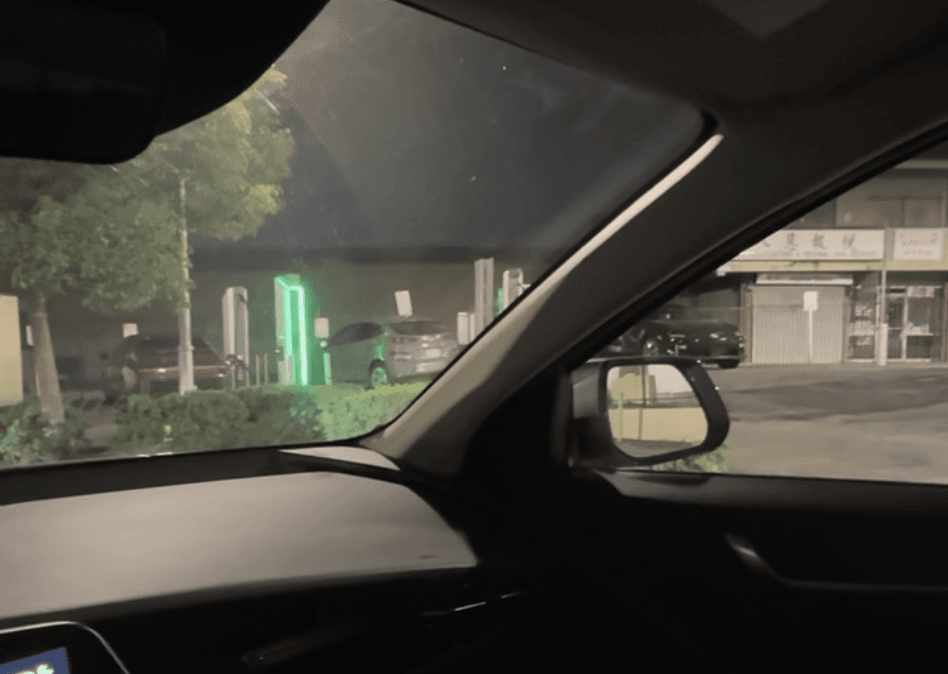
9 cars, 3 chargers, user B waited for 2hr at a charging station in downtown LA, which it's the closest station in the EV's remaining range.
Charging slowly? An issue, also a chance.
EVs typically fast charge up to 80%, while the remaining 20% switches to slower Level 2 charging, which takes significantly longer time—often as much time as it takes to reach the initial 80%.
As a result, drivers charging to 100% occupy charging spots much longer, leading to a notable loss in queue efficiency.

By managing power distribution more wisely, we can optimize resources to accommodate more drivers with varying charging needs, improving overall efficiency and accessibility.
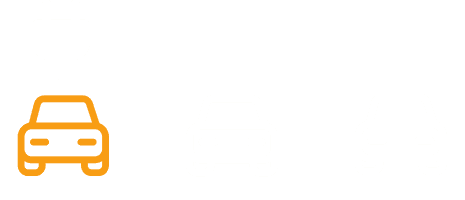
The current EV charging station are "single threaded".
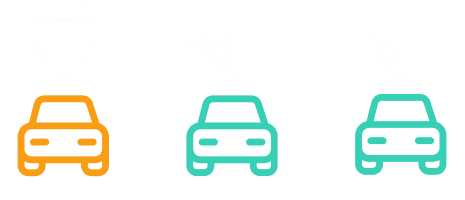
What if a 'multi threaded' charger?
You adapt to chargers
The power that adapts to you
Instead of leaving that capacity idle, we can dynamically redistribute the unused wattage to a second or third vehicle. This insight drives EVOlution, a system designed to maximize grid efficiency by turning a single charging session into a multi-car hub. EVOlution features two charging modes:
Priority Mode: A focused, high-speed protocol for urgent users. It directs maximum grid capacity to the car until a set target (e.g., 80%) is reached.
Flux Mode: An efficient background process for flexible stays. It utilizes 'gap filling' logic, charging slowly during peak activity and accelerating when the station is idle.


“I need to get back on the road ASAP.”
“Enjoy movie without interruption .”
“I will park and charge overnight ”
Flexible Charging Options:
Allows users to prioritize speed or cost, addressing both urgent and relaxed needs.
Queue Management:
Minimizes wait times and improves access to fast charging for those who need it most.
Dynamic Wattage Adjustment:
Ensures all ports support both fast and slow charging, addressing availability and user preferences.
Extra Parking Spots:
Reduces pressure to move cars immediately after charging, offering users greater freedom to plan.
Phone App and Charger Interface
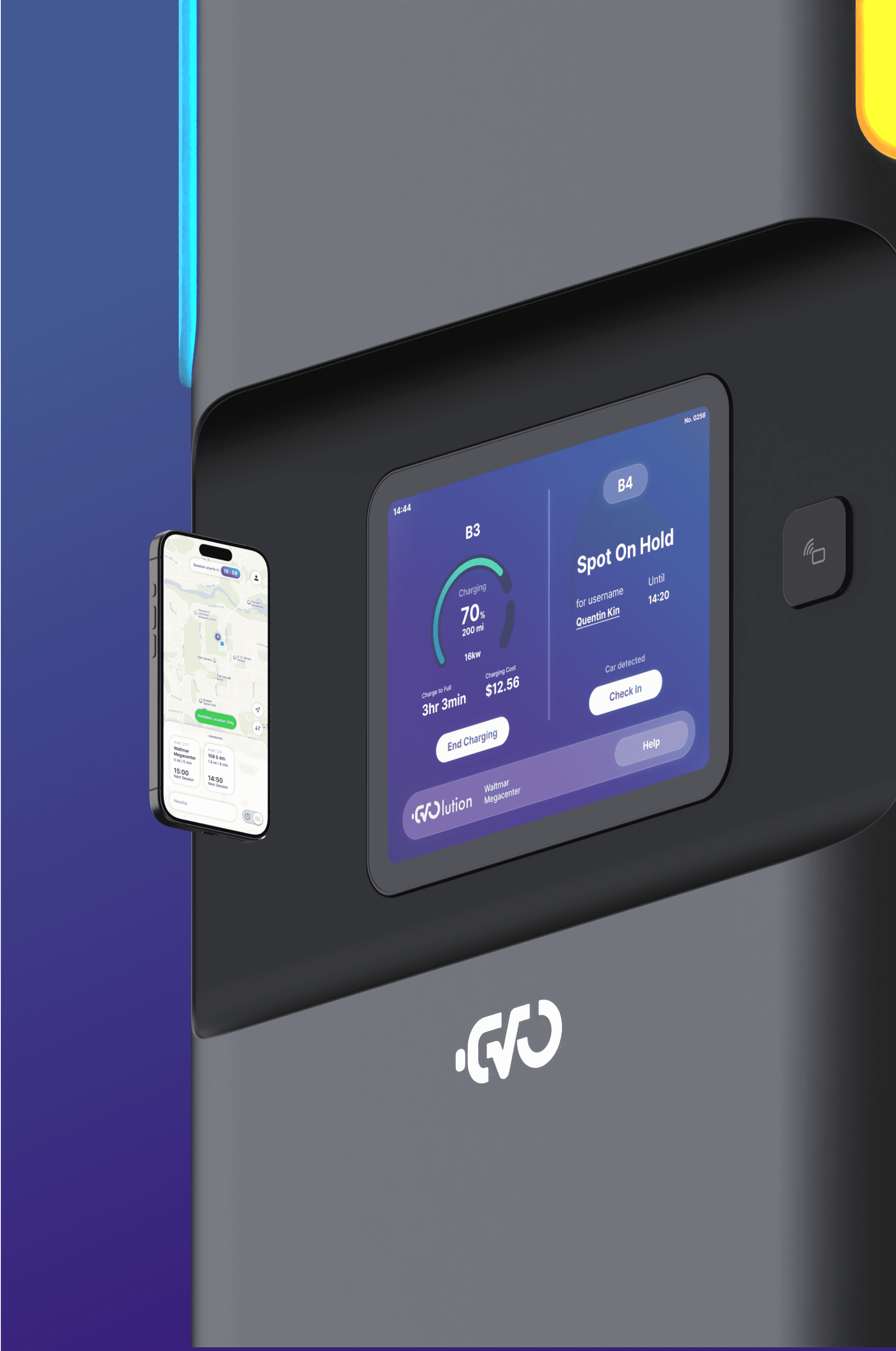
The app and charger interface integrate seamlessly for a unified experience. Users can search, track, and hold spots remotely , then check in and monitor their session on-site, ensuring a streamlined and flexible process.

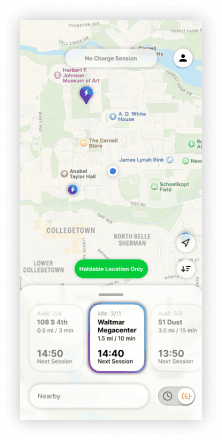
The phone app offers list, hybrid, and map views.
List view provides detailed charger information for quick comparisons, map view offers a visual layout for route planning, and hybrid view combines both for a balanced approach.
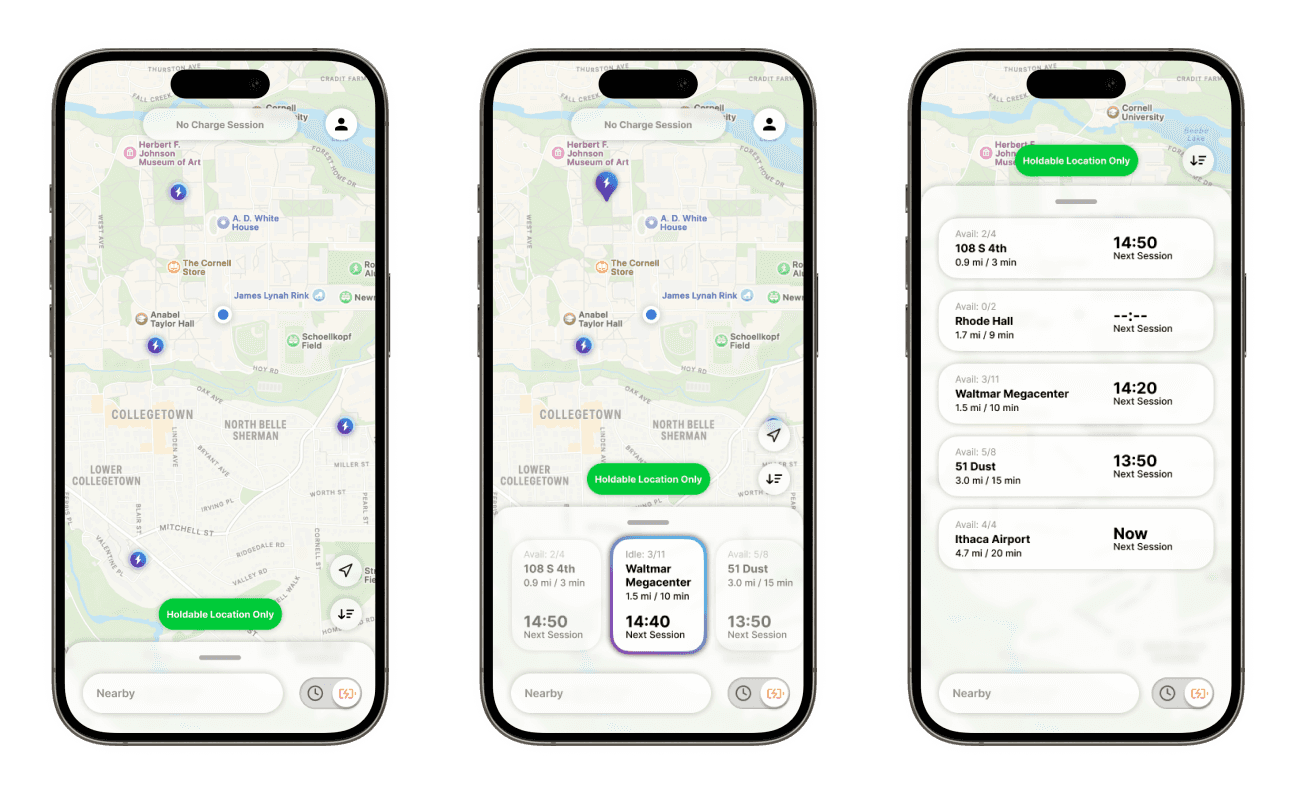
Charger Finder
Phone App Highlight
The information card provides comprehensive overview helps users make informed decisions by quickly evaluating charger availability, accessibility, and timing to suit their needs.

Info Card
Phone App Highlight
After holding or tracking a charger, users can view the live status, including the holding countdown, navigation to the charger, and real-time spot availability, all at a glance through the top widget.
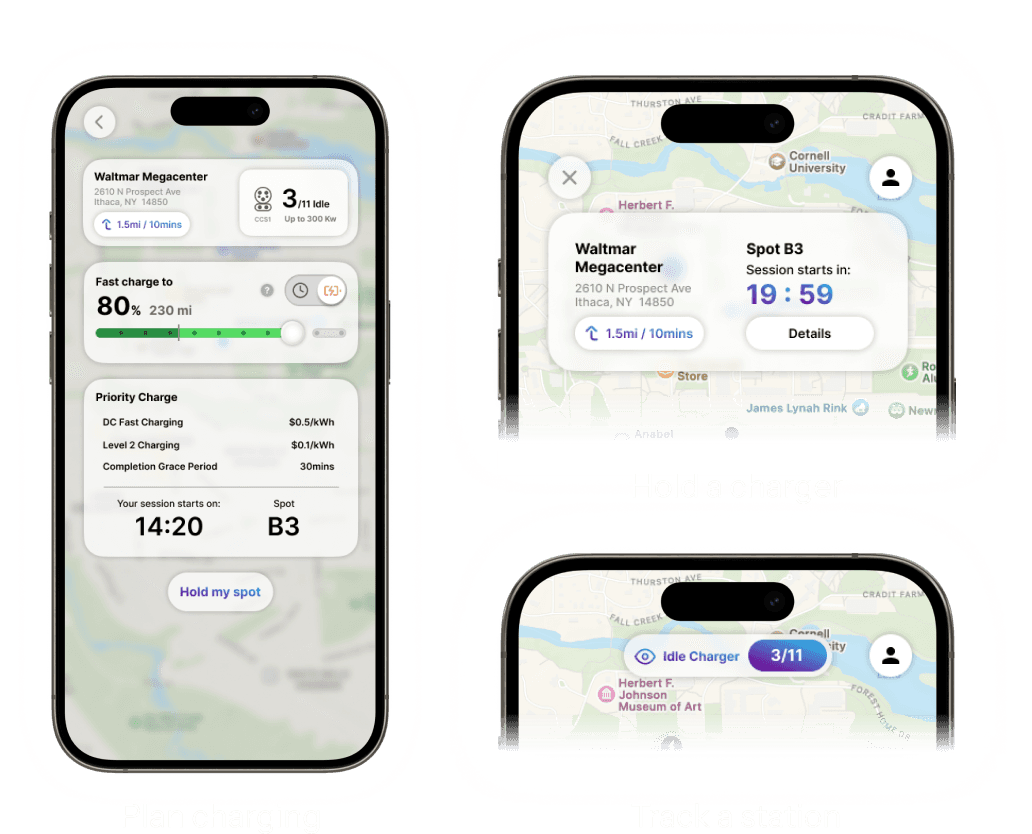
Plan and tracking
Phone App Highlight
The charger’s interface features intuitive portals based on its structure. Ensuring clarity and helping users easily identify their designated charging spot.

Homepage portals
Charger Interface
Users can initiate a new charging session directly on the charger, following the same simple and intuitive workflow as on the phone.
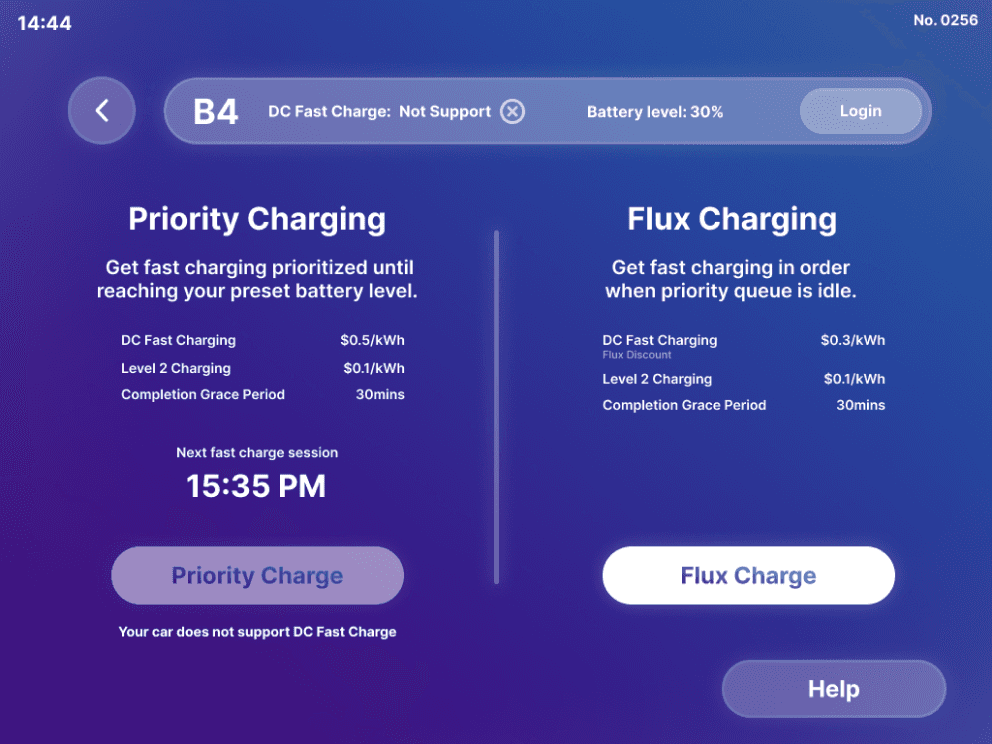
New session
Charger Interface
Plan changed? Easily switch between priority and flux charging mode.
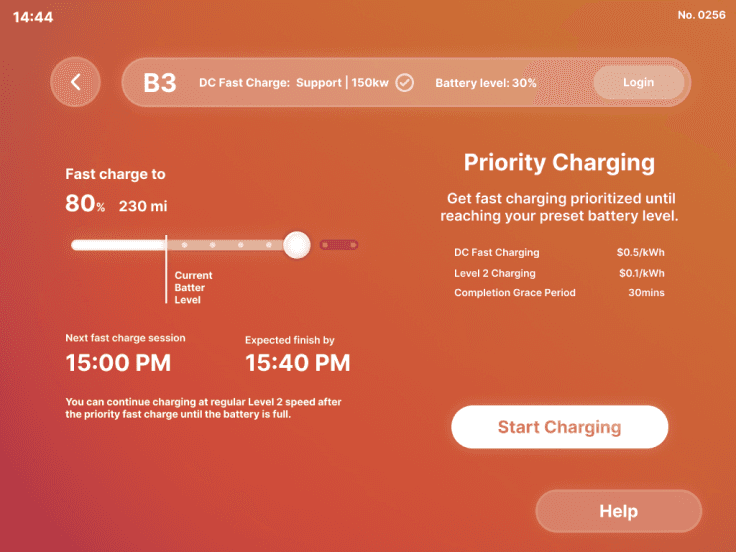
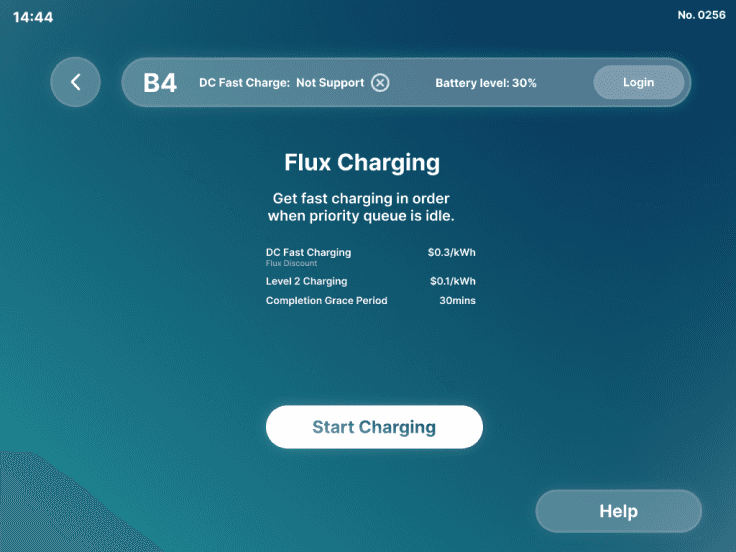
Change mode
Charger Interface
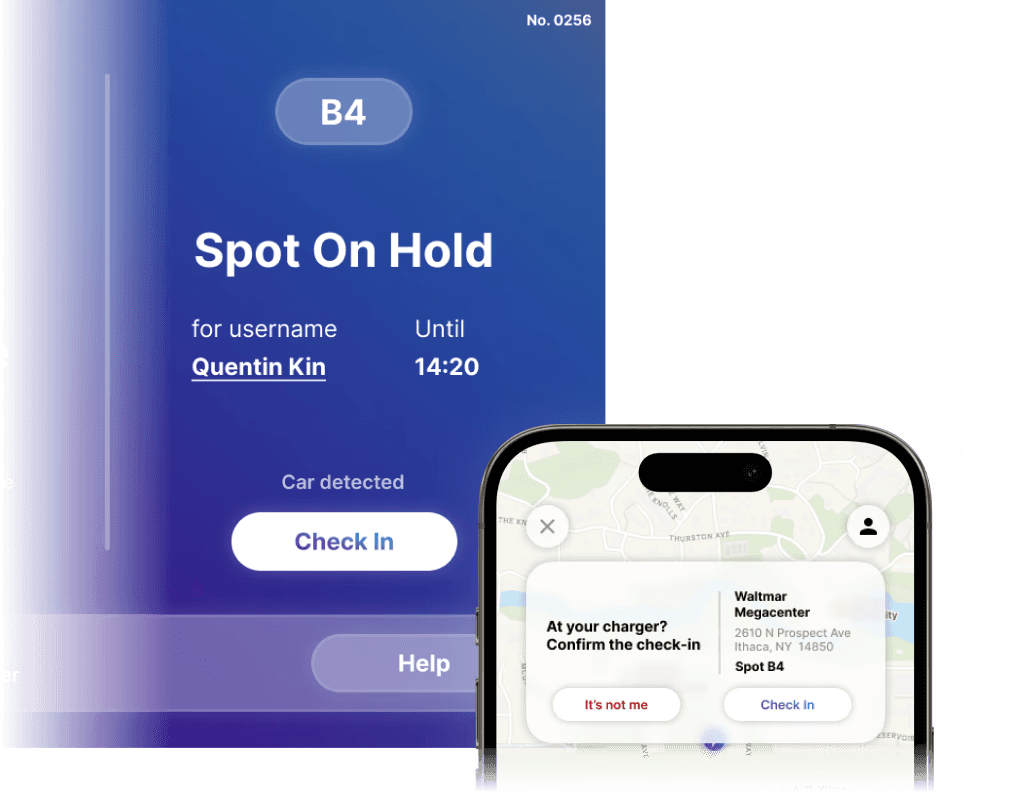
Users can check in their hold directly on the charger interface. To prevent accidental inputs, the phone app prompts user's confiramation .
Check-in
Cross-device communication
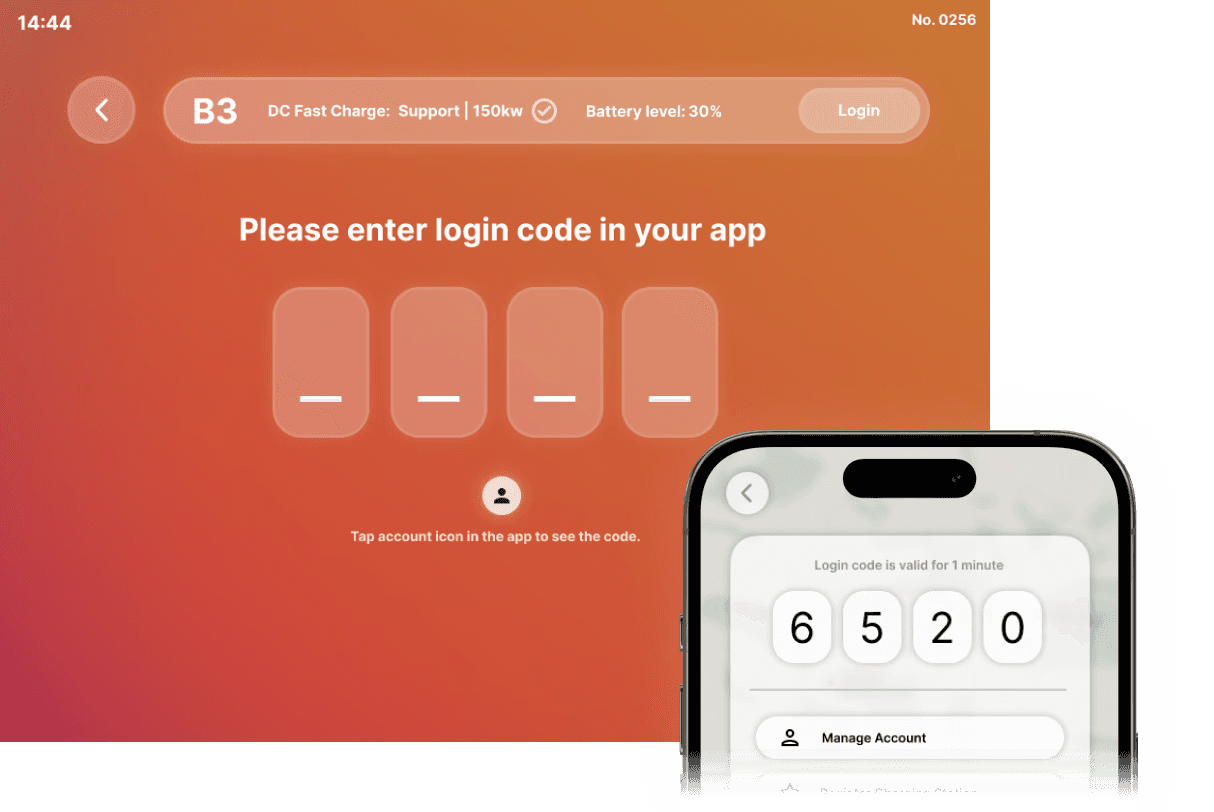
Users can log in to the charger using a real-time generated login code, enabling faster transactions and allowing them to track charging progress seamlessly.
Login
Cross-device communication
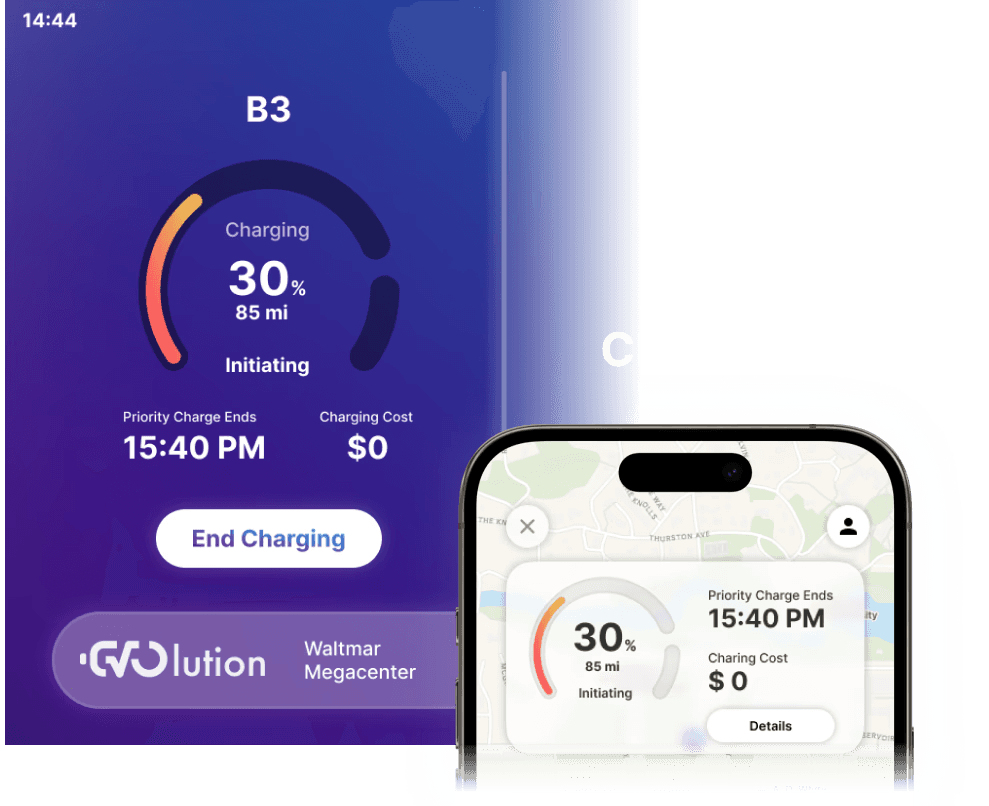
Both the charger interface and the phone app display the current charging progress in real-time.
Tracking
Cross-device communication
Logo and Color Language

The stacked “EVO” letters form the silhouette of a battery, reinforcing the focus on charging and energy efficiency

Letter V:
Shaped like a fluctuating line, it represents the dynamic system that adjusts based on user needs.

Letter O:
A three-fourth circle, resemblance to a pancake that symbolizing dynamical arrangement of charging schedules.

Gradient Purple-Blue:
The primary color scheme sits between green and orange, symbolizing balance and adaptability.

Gradient Orange-Red:
Represents urgency and speed, echoing the fast-charging mode for users prioritizing efficiency.

Gradient Green-Blue:
A calming, middle-tone green that reduces visual fatigue, and aligns with the relaxed charging mode.
The phone app uses a plain-white base with subtle brand colors to minimize visual fatigue, ensuring simplicity for frequent use.
In contrast, the charger interface boldly features brand colors to reinforce identity and aid navigation, especially for new users without the app.